A modern ESB for the digital era
Modernize and unlock the value of existing on-premises systems and applications with an Enterprise Service Bus (ESB) architecture that serves as the foundation layer for SOA. When deployed as an ESB, Mule runtime engine combines the power of data and application integration across legacy and SaaS applications.
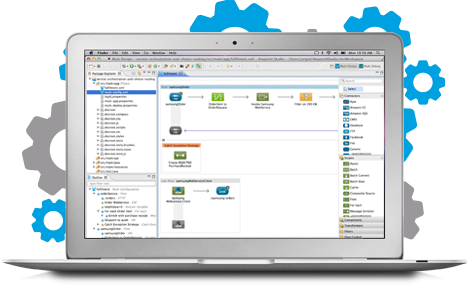

Meet every business need
Build integrations for a variety of use cases — from extending legacy services with APIs to re-platforming SOA

Faster time-to-market
Deliver integration projects 3x faster with prebuilt APIs, connectors, templates, and examples

Flexible deployment
Run your ESB anywhere — whether it is on-premises, in the cloud, or in a hybrid environment
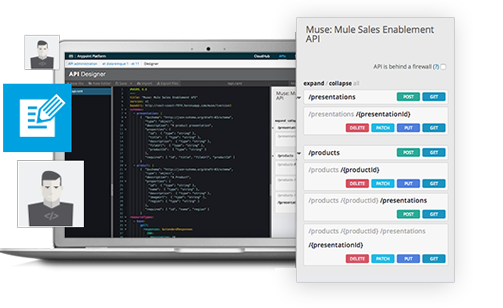
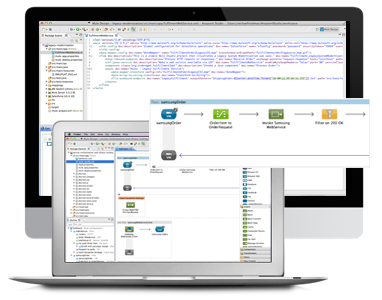
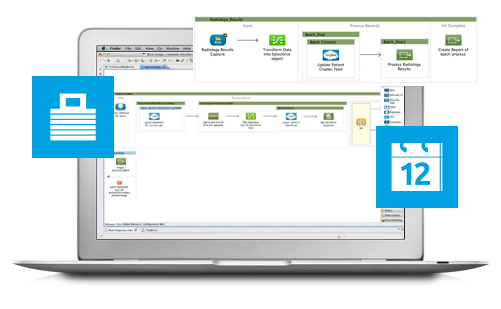
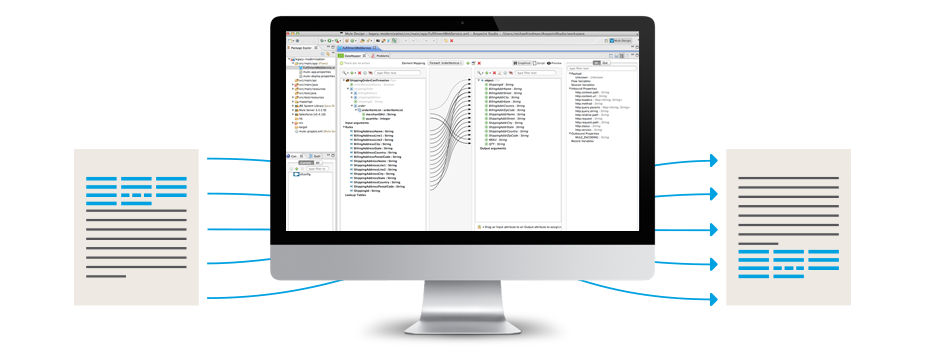
Map and transform data
Query and map complex data structures easily with DataWeave — a data query language. Enhance incomplete messages or transform data to and from any format across various transport protocols and data types. Move millions of records between applications and data sources using Mule’s built-in batch capabilities.
“Mule is by far the fastest to market architecture we have implemented. We can now deliver solutions to customers at a much faster rate, ultimately making my company more profitable."

Mule 4 demo
See how to integrate quickly, use DataWeave, and get a closer look at our latest error handling capabilities
What’s new in Mule?
Learn about the latest Mule 4 features, including streaming, message models, and more
Anypoint Platform 101
Get a quick overview of Anypoint Platform from our team of experts